Location Long Beach, CA
Client Port of Long Beach
Services Estimating & Cost Management, Program Management, Project Management
Project Value $1.815 Billion
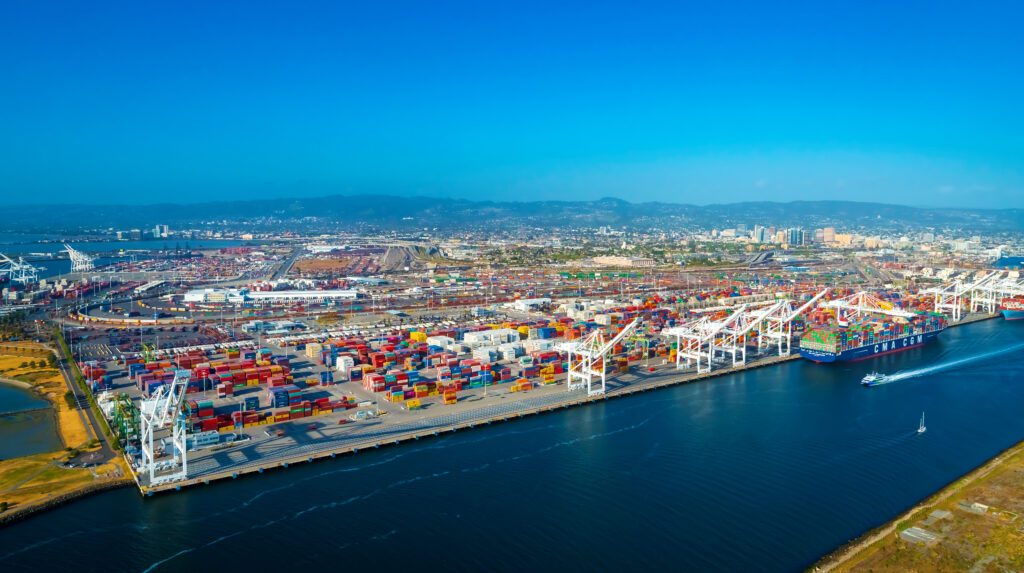
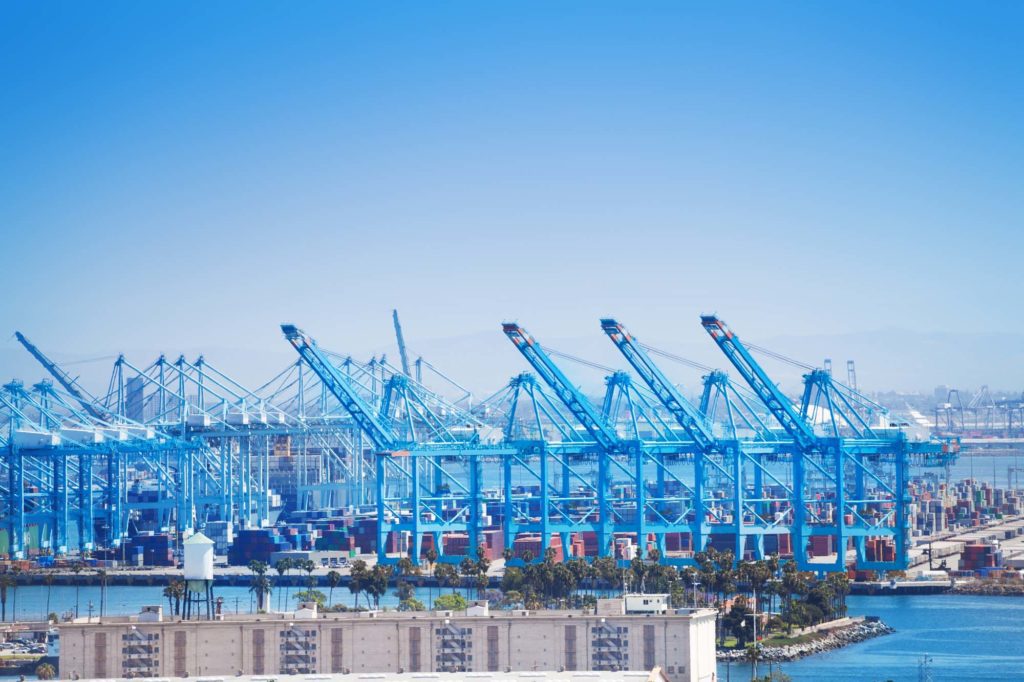
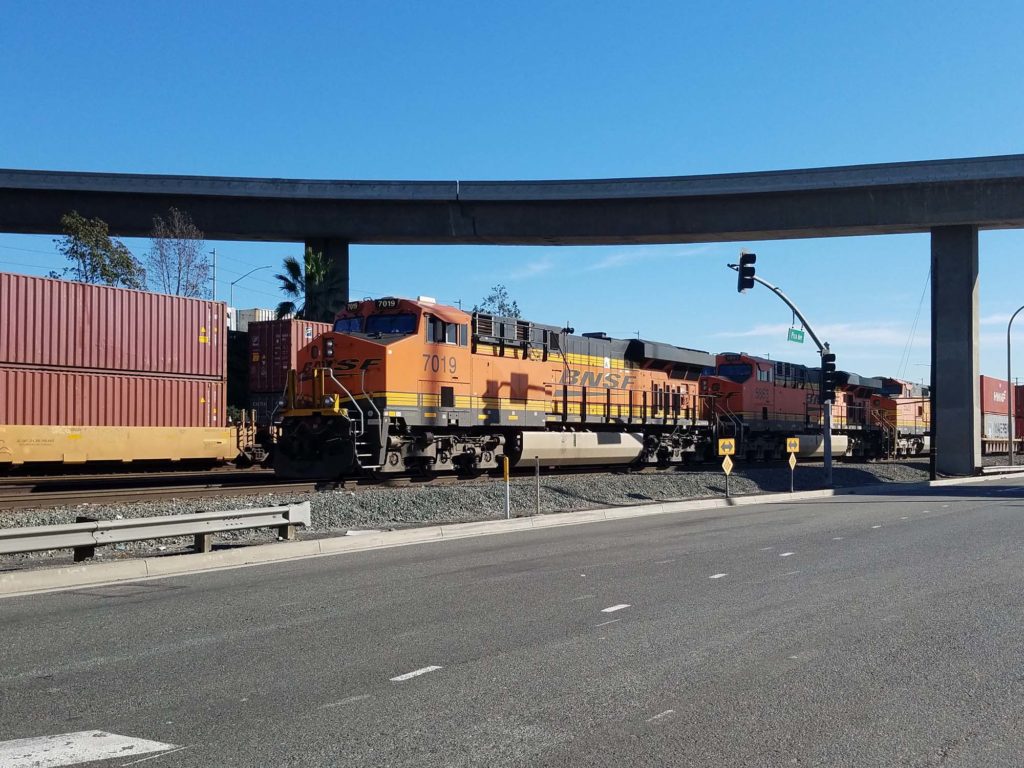
The Port of Long Beach (POLB), the second busiest port in the U.S., is undertaking the Pier B On-Dock Rail Support Facility Program to expand and modernize its on-dock rail support infrastructure. The program will increase the POLB’s on-dock rail capacity and facilitate cargo transport by rail rather than by truck. As a double-stacked intermodal train can eliminate hundreds of truck trips and as trains are up to four times more fuel-efficient than trucks, the program will help the POLB achieve its long-term sustainability goals, including those established in the San Pedro Bay Ports Clean Air Action Plan.
When complete, the program will more than double the size of the existing Pier B rail yard and triple the volume of on-dock rail cargo the POLB can handle annually. The POLB’s project team is building the project in phases, and each phase will improve cargo flow. The program is expected to conclude by 2032. Of the 10 projects included in the Pier B program, 4 projects are already under construction, and the POLB expects to advertise and award an additional 3 projects in the summer of 2026. The groundbreaking ceremony for the East Expansion Project was held on July 18, 2024, and the POLB issued notices to proceed for the locomotive support facility in January 2025, the LA-04 pump station relocation in February 2026, and the Shoemaker Bridge ramp demolition in March 2026.
As program management consultant (PMC) and staff augmentation partner for the POLB since 2019, Hill is supporting the overall management of the 14-year program. Hill’s services include program management, real estate management, project coordination, master scheduling review, third-party coordination, risk management, constructability review, grant management, permitting support, contractor prequalification, quality assurance, cost engineering, utility/oil field/real estate relocation, and acquisition support.
Recognizing the critical role of grants in advancing Pier B On-Dock Rail Support Facility as planned, the Hill team has successfully supported the POLB in managing $643 million in grant funds from multiple sources. The Hill team has also confirmed program compliance with grantor guidelines, particularly those of the Maritime Administration (MARAD), helping ensure funding. In 2026, the Long Beach Board of Harbor Commissioners authorized a $283 million grant agreement with MARAD under the National Infrastructure Project Assistance (Mega) Program. The POLB will use this grant for the delivery of the future rail yard.
The Pier B On-Dock Rail Support Facility Program is taking place in two cities, Long Beach and Los Angeles, as well as in a coastal floodplain susceptible to sea level rise. The program has also included extensive right-of-way work, including property acquisition, business relocation, utility relocation, oil field relocation, and street realignment. While these elements have made the program complex, Hill’s real estate, permitting, and utility experts have successfully managed all related efforts in collaboration with the rest of the Hill PMC team to continue driving progress across the program.