Location Manama, Bahrain
Client Bahrain Airport Company
Services Construction Management, Project Management
Project Value $1.1 Billion
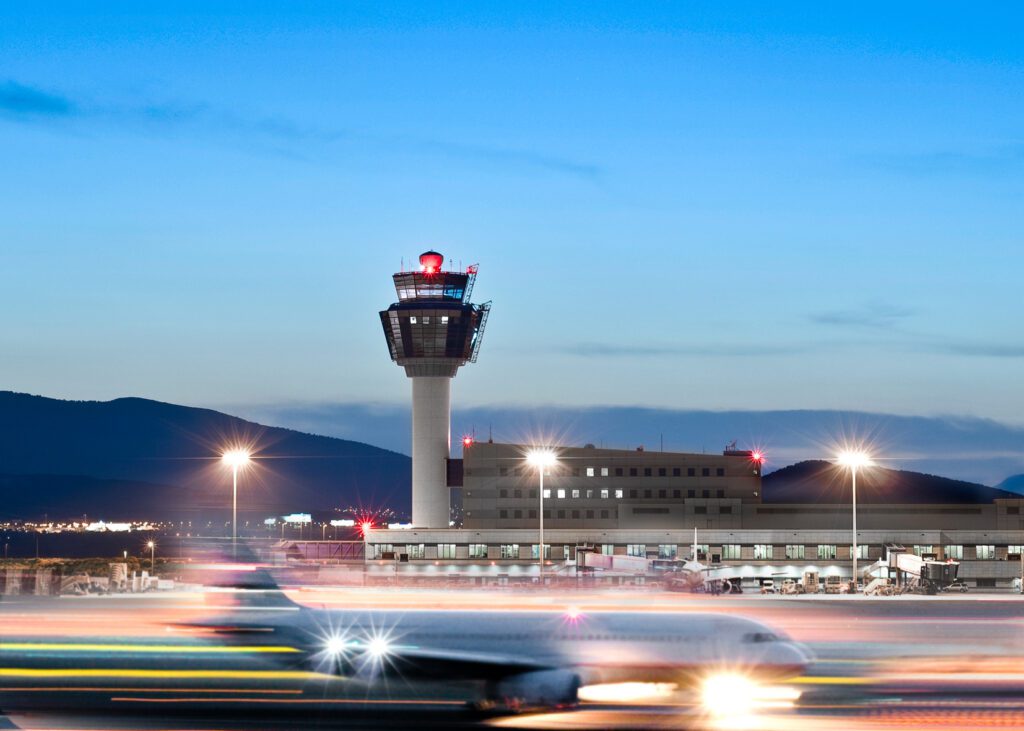
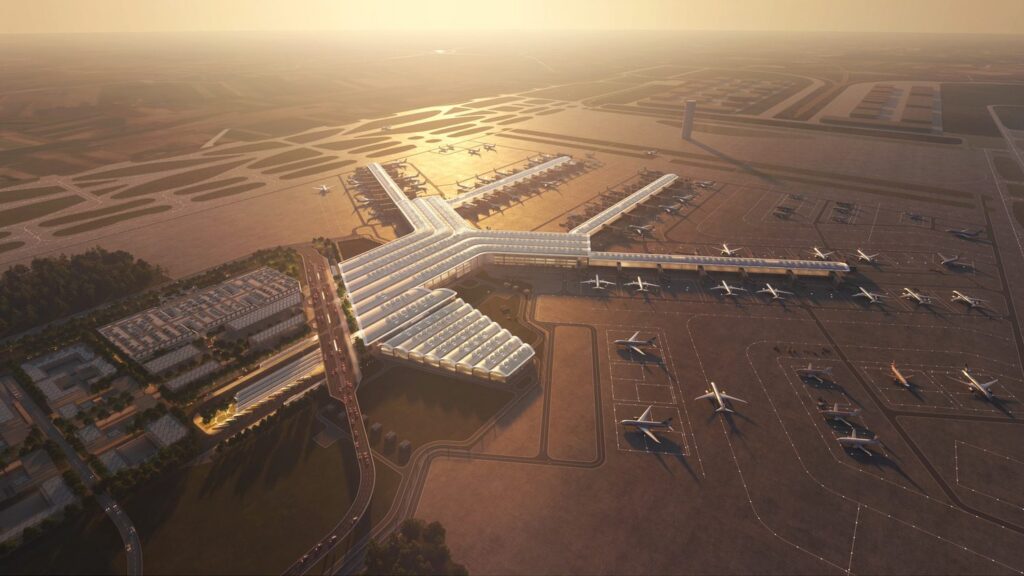
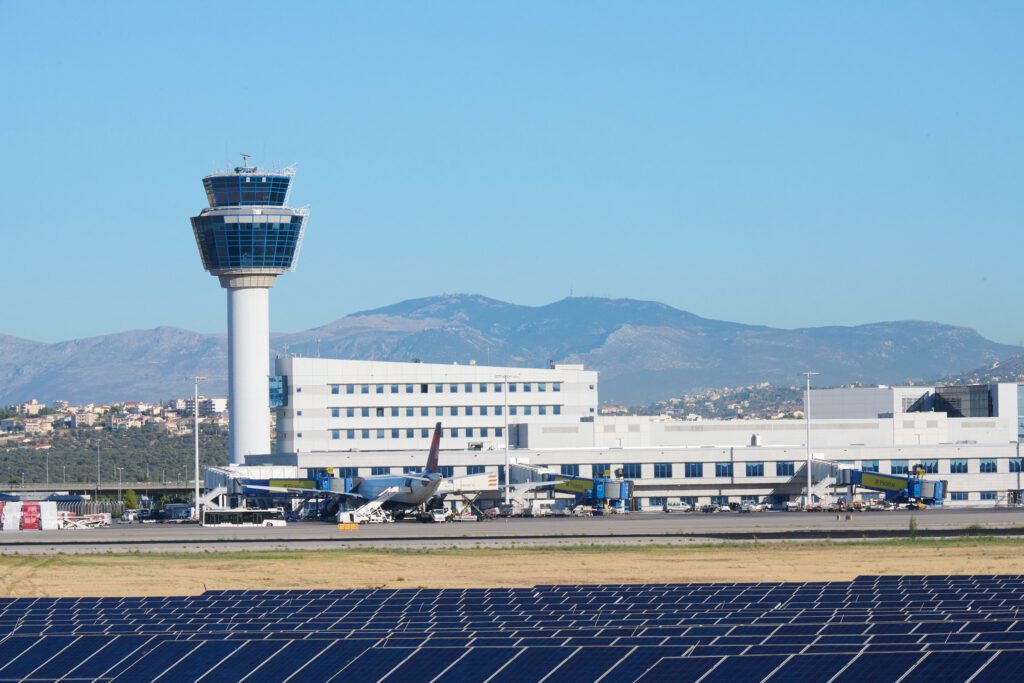
The Bahrain International Airport (BIA) Modernization Program comprised the delivery of a new passenger terminal building and associated facilities to increase BIA’s capacity to 14 million passenger per year. Originally planned as an expansion of BIA’s existing facilities, the Airport required a true reimagining to meet the Ministry of Transportation and Telecommunication’s (MTT) goals of delivering a state-of-the-art facility reflective of BIA’s role as a national gateway and capable of accommodating passenger growth and modern aircraft for decades to come.
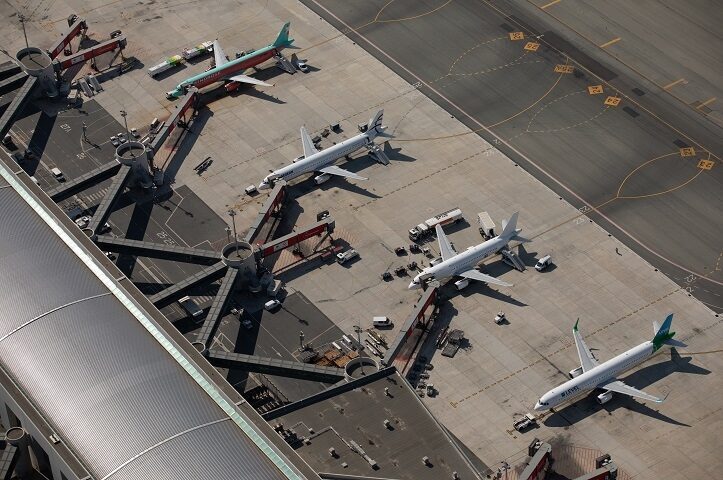
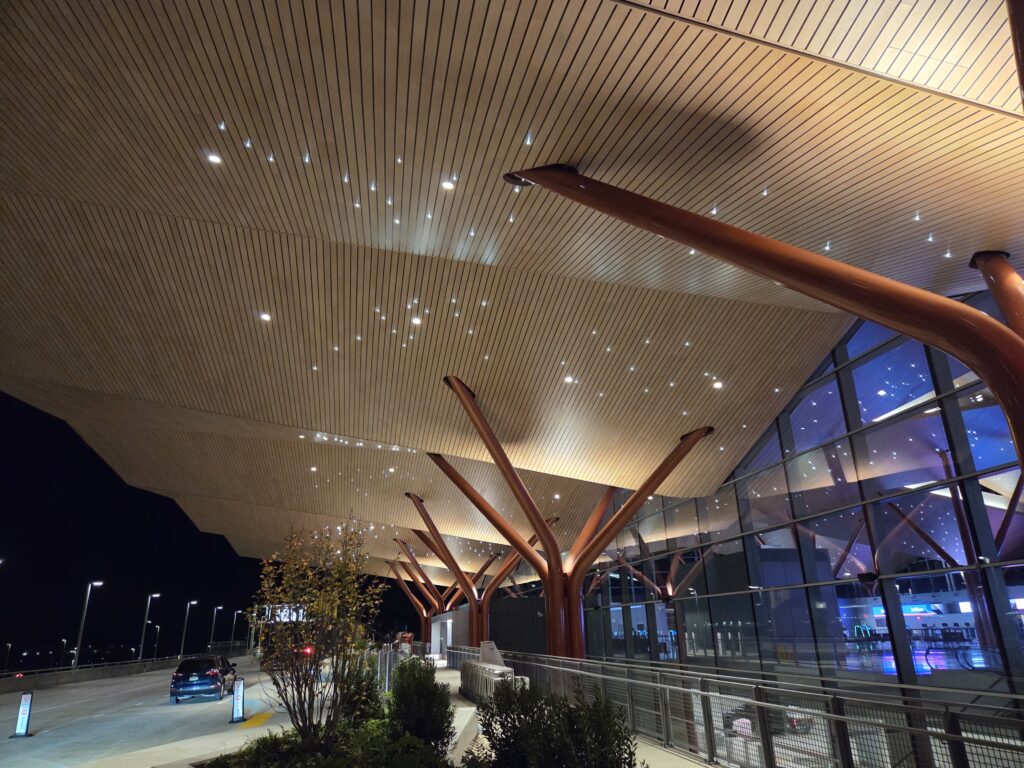
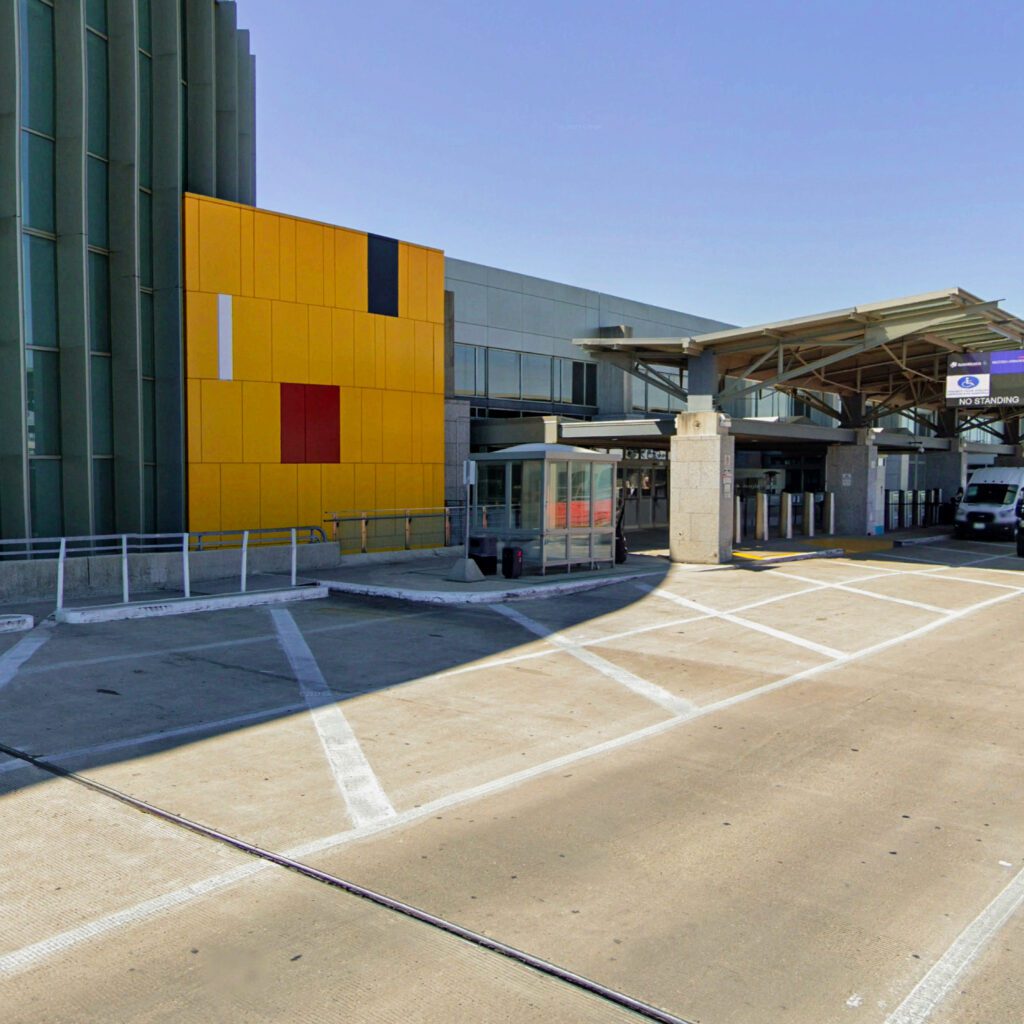
The new 210,000 SM terminal features accommodating check-in halls, check-in desks, passport control booths, e-gates, security lanes, a 9,000 SM duty-free retail space, premium lounges, dining areas, 24 departure gates, and 7,000 new parking spaces both at-grade and in multi-story facilities.
The modernization faced challenges ranging from procuring the right design and delivery expertise to coordinating among a myriad of invested stakeholders, each with their own interests. The COVID-19 pandemic added another layer of complexity and risk. However, thanks to the careful planning efforts of the MTT and the management team, the program team delivered the new terminal and associated facilities as envisioned and with minimal cost overruns.
Hill served as project manager for the program. Our services encompassed construction management, project controls, design management, contract management, and procurement support.
In the early stages of the program, Hill’s efforts focused on the procurement of construction and engineering specialty packages. Five packages, involving the new baggage handling system, information and communication technology, security and screening equipment, passenger loading bridges, and horizontal/vertical transportation systems, were critical to achieving the program schedule. The team procured these packages on a design-build basis prior to the award of the main contract, which used a traditional design-bid-build delivery method. Structuring the program’s procurement in this way provided greater schedule control and took advantage of the design-build delivery method by aligning the risks of these intricate systems with teams who understood how to best realize the packages on time and within budget. Hill was responsible for developing performance criteria for these specialty packages.
The program also required a high level of coordination among many stakeholders to maintain progress. These stakeholders included utilities, airlines, and vendors, among others, each with their own interests. To meet stakeholder needs, Hill identified the requirements, challenges, expectations, timelines, and programming of all major stakeholders early in the program’s life cycle, codified this data, and used it to drive decision-making and maintain progress.
“The Hill team brought to the project its wealth of experience, skills, and knowledge. The commitment and professionalism displayed by the entire team during the duration of the project are commendable.” – Abdulla Ahmed Mohammed, Bahrain Airport Company Vice President of Infrastructure Development and Maintenance