Location Abu Dhabi, UAE
Client Abu Dhabi Airports Company
Services Construction Management
Project Value $5.4 Billion
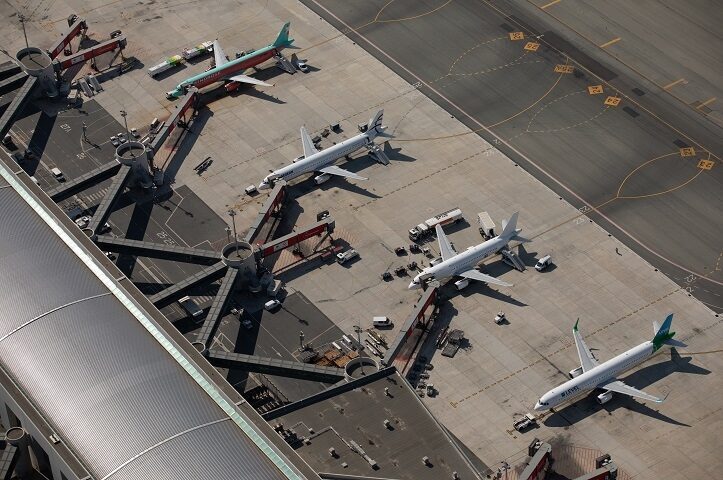
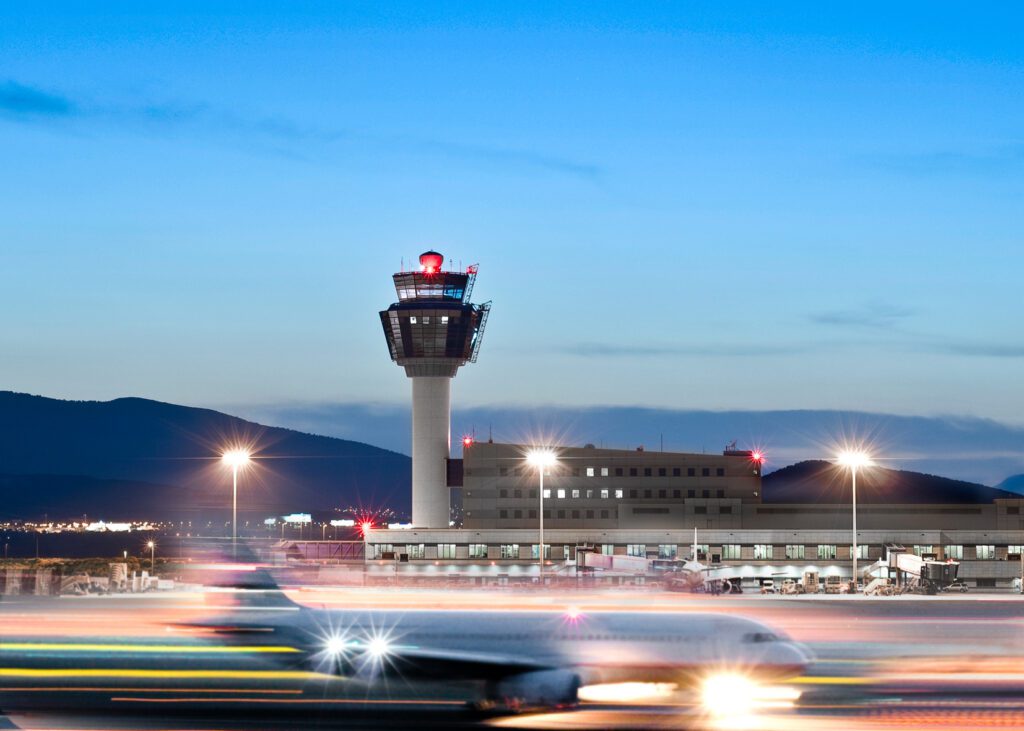
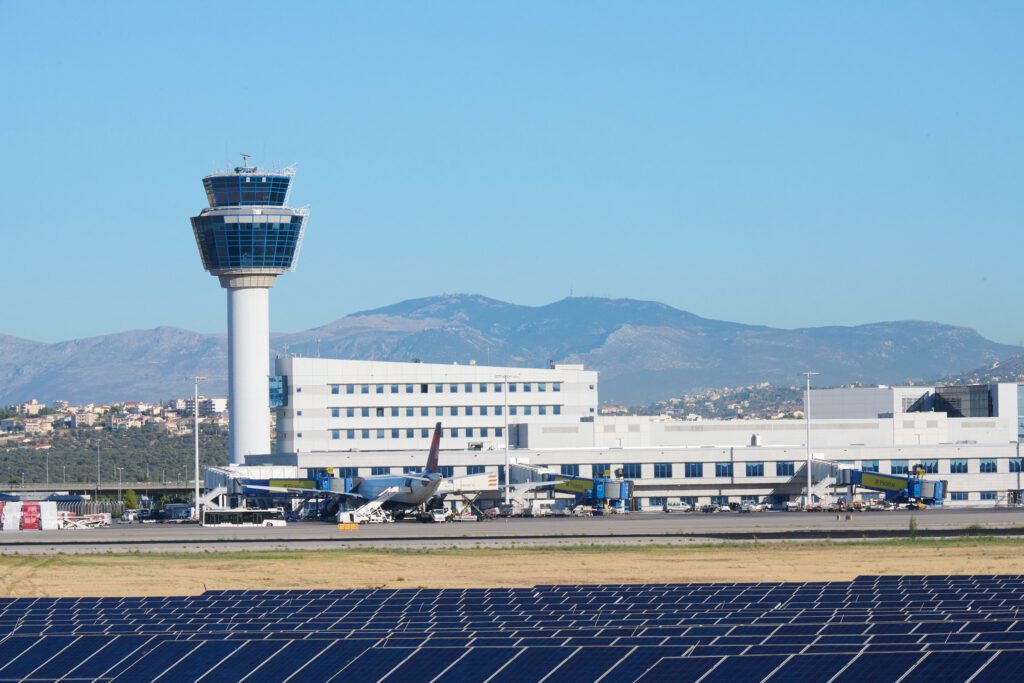
In order to meet growing demand, the Abu Dhabi Airports Company (ADAC) undertook a project to deliver a brand-new terminal, the Midfield Terminal Complex (MTC), at Zayed International Airport, formerly known as Abu Dhabi International Airport. The MTC program was a crucial part of Plan Abu Dhabi 2030, an emirate-wide strategy to facilitate the growth of business and tourism in Abu Dhabi. The program also responded to the growth and expansion of the emirate-owned airline, Etihad Airways.
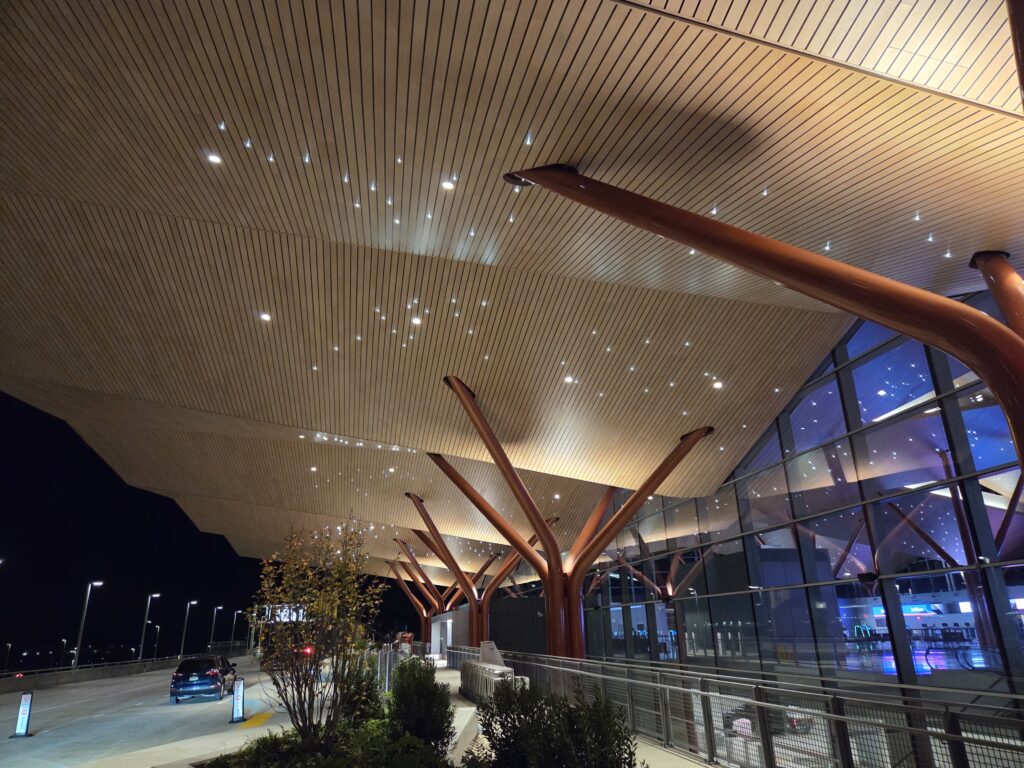
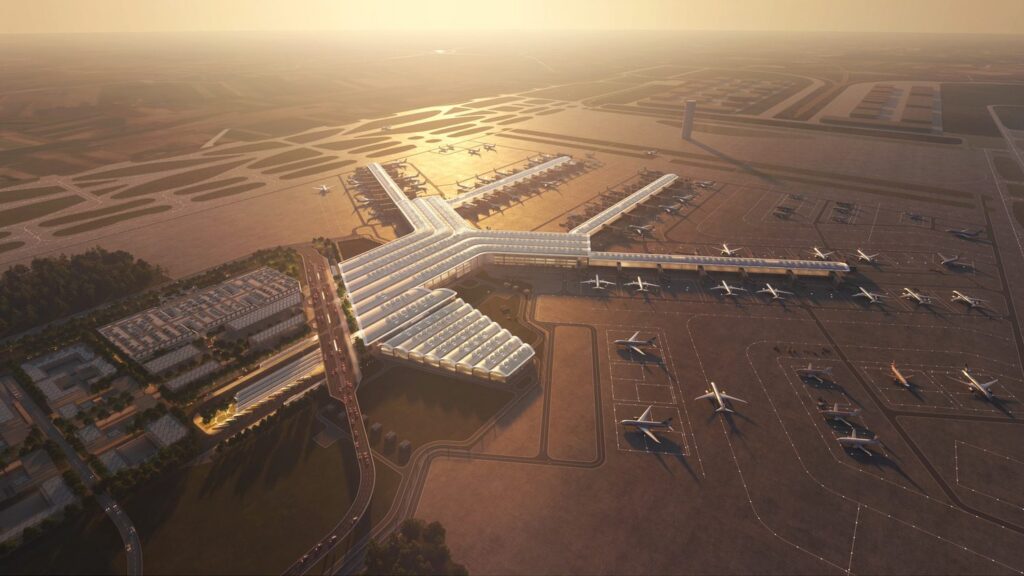
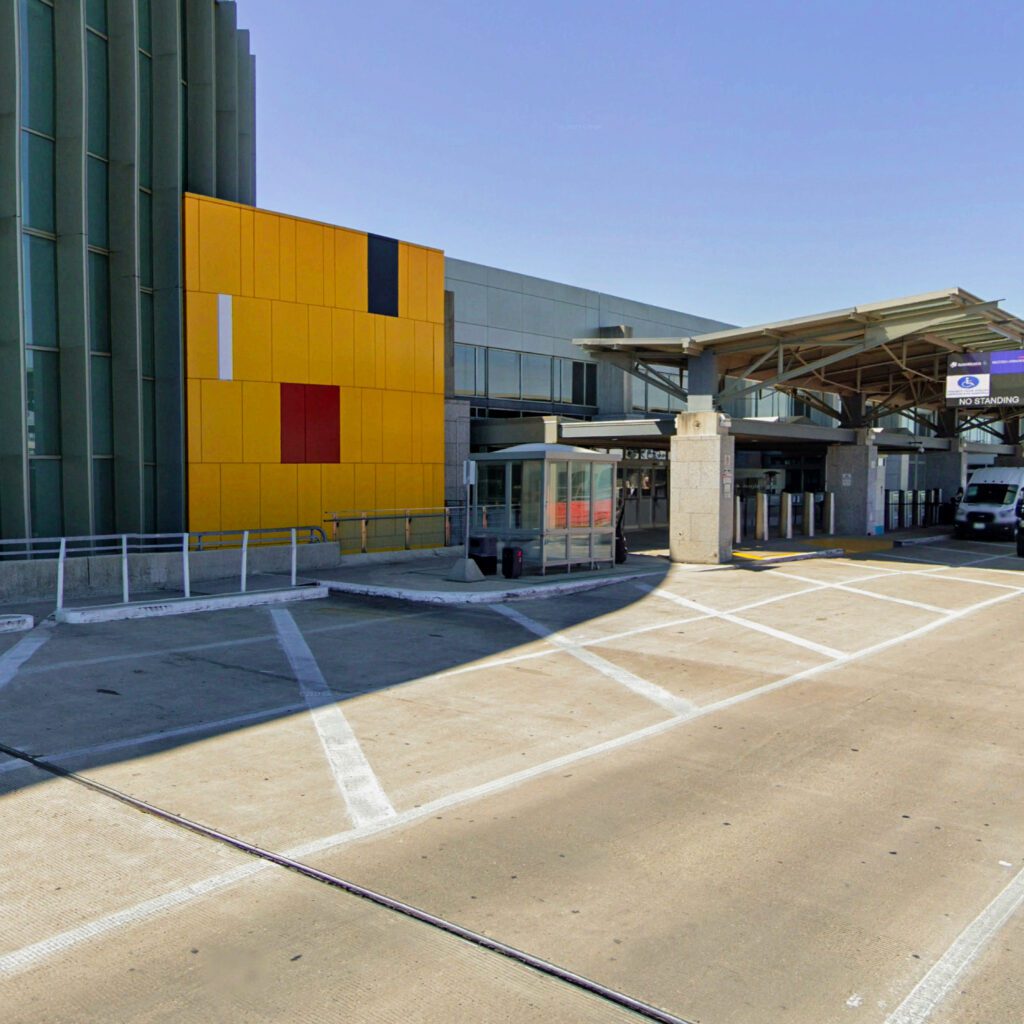
The program’s centerpiece was the delivery of a 700,000 SM x-shaped terminal building, known as Terminal A, that can accommodate up to 11,000 passengers per hour and up to 45 million passengers per year. In its central hall, the terminal features large arches, spanning up to 180 meters and weighing up to 700 tons. These allow the spacious area to be nearly column free. The terminal has a roof span of 319 meters at the widest point and a ceiling height of 52 meters at the highest point. Its external structure is made up of more than 600,000 cubic meters of concrete and the facade is made up of 275,000 SM of aluminum cladding and 115,000 SM of external glazing. The terminal also include 325,000 SM of stone flooring.
Inside, Terminal A features 30,000 SM of airline lounges, 35,000 SM dedicated to retail and food and beverage outlets, a 27-km baggage handling system, 10 baggage carousels capable of processing over 19,200 bags per hour, 156 check-in counters and 48 self-service kiosks, 136 security screening lanes for passengers and 25 lanes for staff, more than 4,300 CCTV cameras, 145 lifts and 46 elevators, and a variety of art installations and decorative features. Its piers accommodate up to 65 aircraft from more than 30 different international airlines. Terminal A also has 3,400 short-term covered parking spaces, 1,500 long-term parking spaces, and a car rental facility. In addition, Terminal A uses solar panels to offset carbon emissions and an Advanced Surface Movement Control System to help planes land safely during low-visibility weather conditions. The terminal features biometric systems to enhance safety and passenger flow.
The program also delivered accompanying infrastructure, including aprons and taxiways, airside support areas, tunnels, roads, landscaping, and more.
As a subconsultant, Hill provided construction management services for the program. During the construction phase of each project associated with the program, Hill coordinated with other consultants and contractors on behalf of ADAC. With proactive planning, on-site monitoring, and continuous stakeholder coordination to facilitate timely decision making, our team helped ensure that all construction activities were in accordance with the owner’s expectations.
Hill reviewed design documents, managed procurement, and helped develop, document and disseminate policies and procedures to promote the safe, cost-effective implementation of the project during preconstruction. While construction was underway, we were responsible for day-to-day supervision of the works. We helped establish and monitor quality assurance/quality control processes, reviewed the contractors’ and consultants’ work for completeness and timeliness, and managed change. We also regularly verified the accuracy of models created with the building information modeling (BIM) software, including the final as-built BIM models. Following construction, the Hill team helped manage the building occupancy period.
With Hill’s collaborative construction management support, the program team overcame challenges to deliver the new terminal in November 2023.